

diting prices vary enormously, and the market does little to explain itself. Two people can both describe themselves as video editors while charging ten times apart for apparently similar work. So what are you actually paying for?
01Not more cuts
Expensive editing is not more complicated editing. In fact, the experienced editor often does less.
Fewer unnecessary transitions.
Less noise.
More confidence.
The difference is rarely effort. The difference is judgement.
The cheap cut adds. The expensive cut removes.
02Finding the story faster
Imagine six hours of footage. A less experienced editor assembles chronologically and lets the story emerge gradually. An experienced editor recognises within the first pass which scenes matter, where the strongest opening lives, and what can disappear without being missed.
That instinct is not talent. It is repetition. Thousands of hours of editorial decisions.
That instinct is not talent. It is repetition. Thousands of hours of editorial decisions.
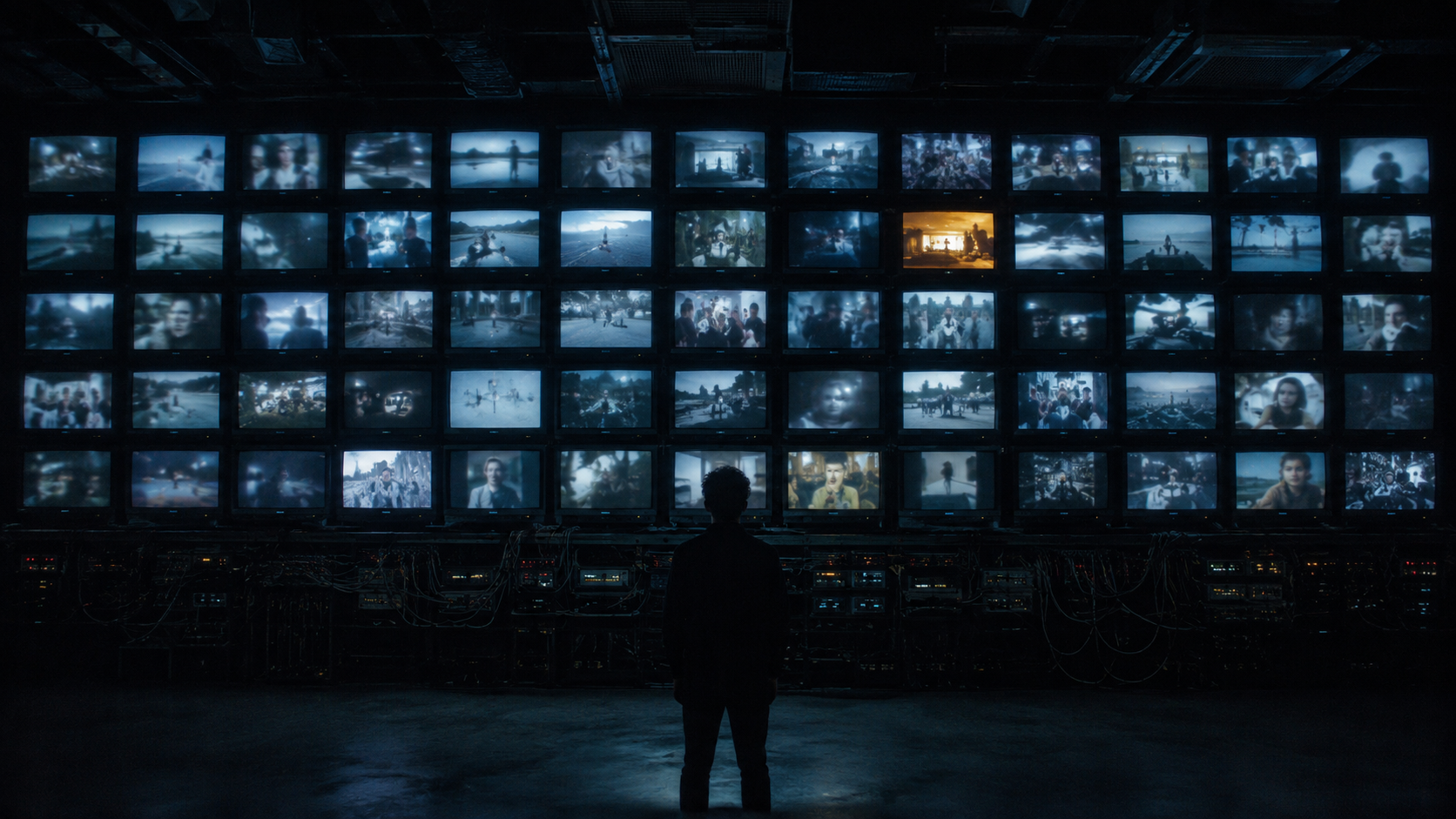
03Knowing what not to use
One of the hardest skills in the craft is throwing good material away.
Cut for paceA funny line can still damage the pace.
Cut for relevanceA beautiful shot can be irrelevant.
Cut for storyAn expensive sequence can weaken the story.
Professional editors learn to serve the programme rather than the footage.
04Solve the note, protect the story
Removing thirty seconds from a scene sounds simple. But perhaps those thirty seconds carried information the audience needs later. A strong editor sees the knock-on effect. They solve the immediate note while protecting everything downstream.
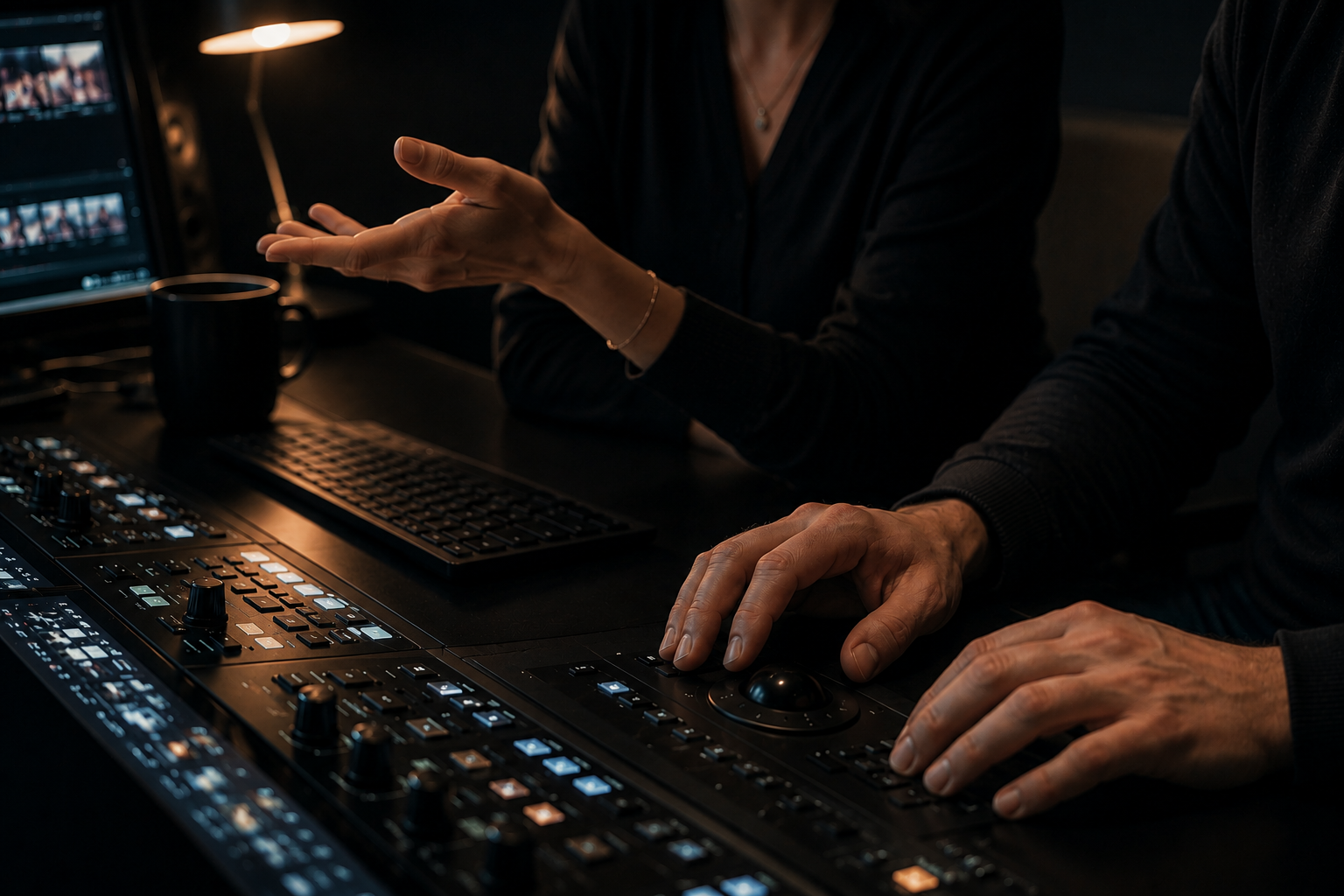
That is the invisible half of the job: every change is made once in the scene and once in the editor's model of the whole programme.
05Experience shows in the notes
A highly experienced editor needs fewer explanations, because they understand the intention behind the note. The brief often arrives as a feeling, not a timecode.
They do not ask where. They investigate why. That alone can save days.
A £300 edit is not automatically worse, and a £3,000 edit is not automatically right for your project. There are brilliant inexpensive editors, and expensive editors who are wrong for the job. But as the rate rises, the thing you should increasingly be paying for changes.

It is judgement: the thing that does not show up in the interface, only in the cut.