

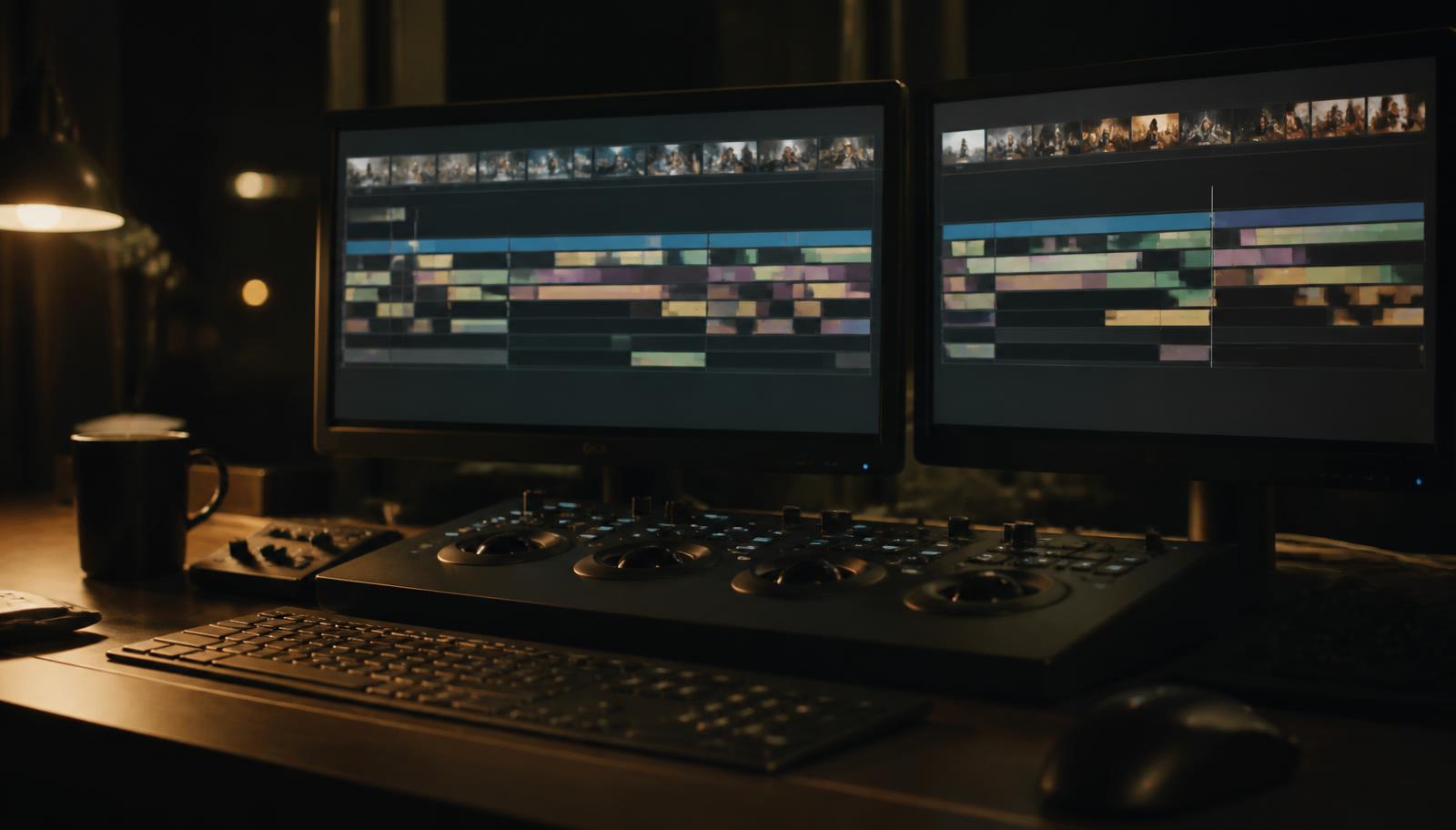
eality television and YouTube look like different industries. Editorially, they are close relatives.
Both are built on personality.
Both live or die in the first thirty seconds.
Both begin with far more unscripted footage than anyone can use.
Both have to turn real behaviour into a story an audience will follow to the end.
Here is what transfers.
01Everyone needs an objective
Reality television becomes interesting the moment somebody wants something.
Win the date.
Avoid the elimination.
Impress the room.
Get an answer.
End the argument.
The same rule holds online.
ACTIVITY
I spent 24 hours in Paris.
OBJECTIVE
I tried to see the best of Paris in 24 hours on £100.
An activity fills time. An objective creates story, because it can be won or lost.
02Control what the audience knows
A reality editor is constantly deciding what the audience should know, and when they should know it. Reveal too early and the surprise is gone. Withhold too much and the audience stops following.
Information is a resource. Spend it slowly.
Information is a resource. Spend it slowly.
The same discipline applies to a video. Do not explain every outcome before the journey starts. Let the viewer find things out at the same time you did.
03Build character through behaviour
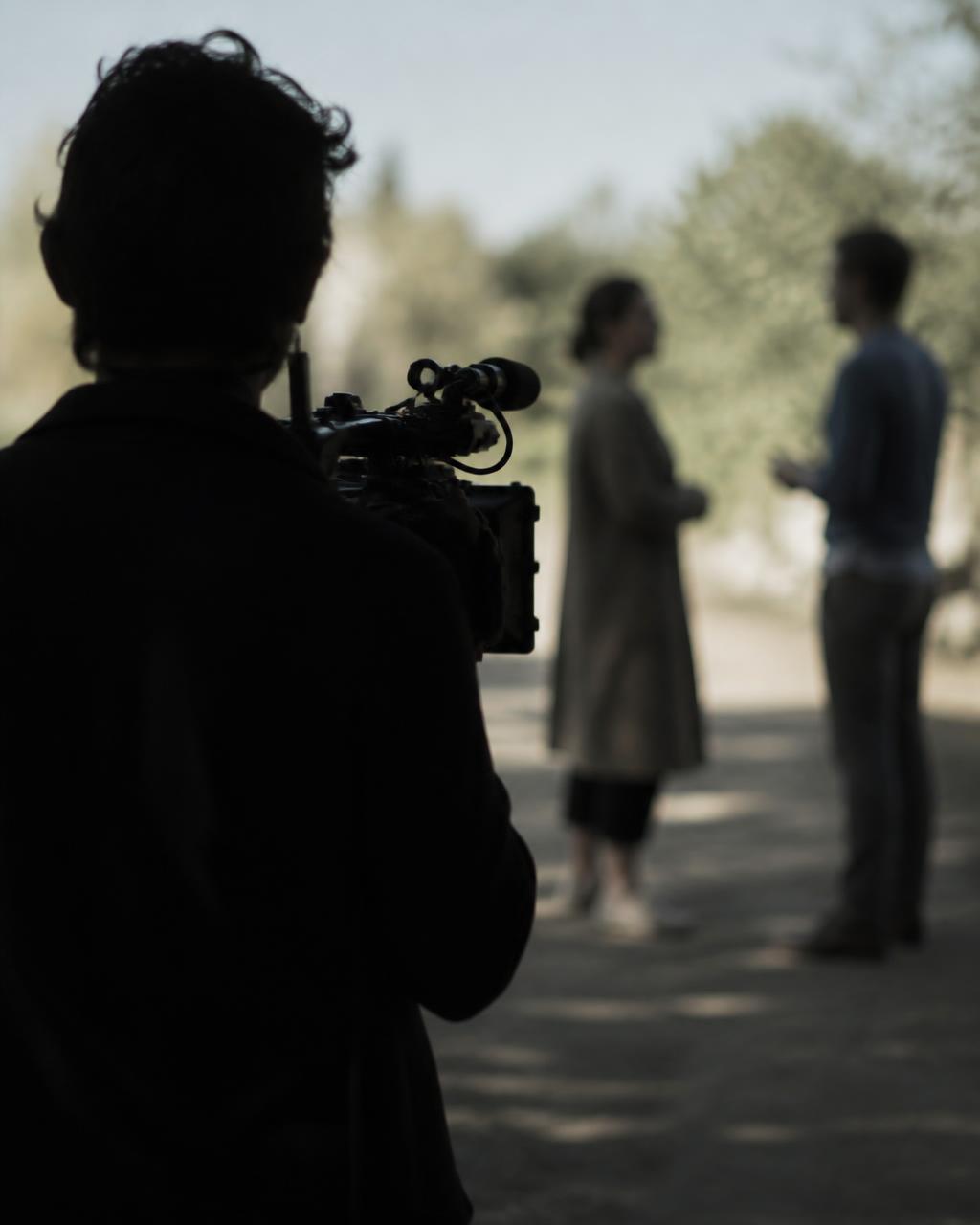
A reality character is almost never established by someone saying "I am incredibly competitive." They are established because we watch them being competitive.
If part of your appeal is that you are chaotic, obsessive, awkward, ambitious or funny, let the audience experience it.
Description is weak. Evidence is strong.
04Use commentary to add, not to recap
Reality television uses interviews and confessionals to give meaning to what we are watching. A piece to camera does the same job. The strongest commentary adds something the picture cannot.
“What were you actually thinking?”
“What did you misunderstand?”
“What did you expect to happen?”
“What changed?”
Commentary that only describes what the audience has just watched is dead air with a face on it.

05Make episodes, not footage dumps
Professional reality editing is an act of selection. Hundreds of hours become one. The goal is never to prove how much happened. The goal is to make an audience feel that everything they saw mattered.
More footage does not create more value.
More story does.